
Struggling with rising coffee costs? This uncertainty makes planning hard for businesses like yours. Let's look at when things might stabilize.
Experts predict high coffee prices might stick around for at least another 8 months. Key factors like weather and strong demand keep pushing costs up, with recent futures prices hitting concerning levels. Stability isn't expected very soon.

Understanding the current situation is key. Let's break down the numbers and reasons behind these high prices, starting with the actual cost right now. Keep reading to get the full picture.
How Much Do Coffee Beans Cost Right Now?
Seeing shocking coffee price tags? It disrupts budgets and makes forecasting tricky. You need clear numbers to plan effectively.
Current coffee bean prices are very high and change often. For example, March 2025 futures recently hit $3.9833 per pound. Prices depend heavily on bean type, quality, and global market shifts.
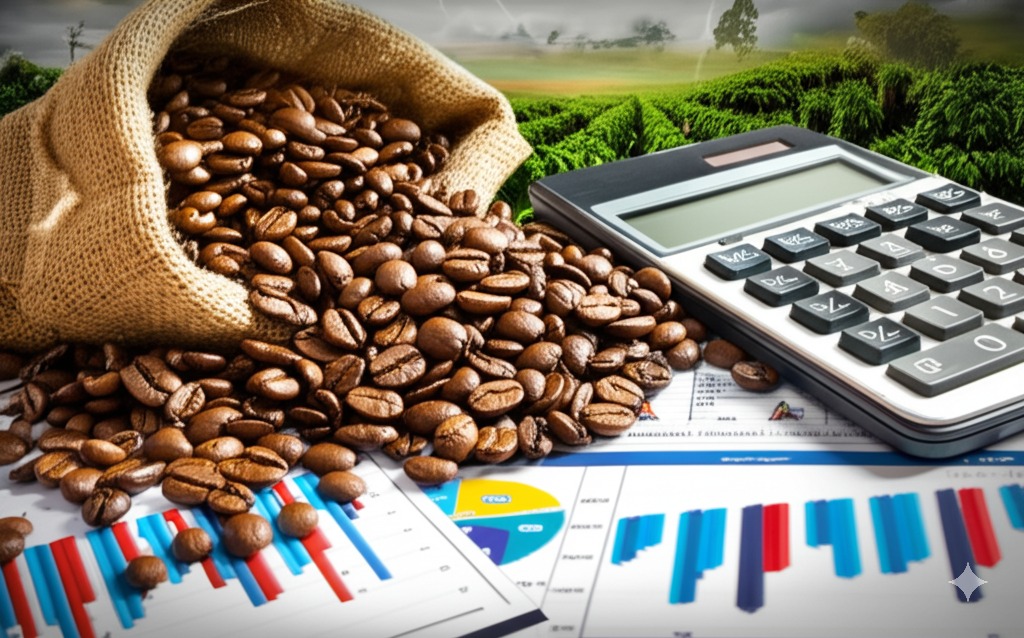
Getting a single "price" for coffee beans is tough because the market moves constantly. Think of it less as a fixed number and more as a range that shifts daily. A key indicator we watch is the futures market. Recently, the price for contracts delivering in March 2025 reached a high of $3.9833 per pound. This shows that buyers expect prices to remain high well into next year.
Of course, the actual price you pay depends on many things:
- Bean Type: Arabica usually costs more than Robusta.
- جودة & Grade: Specialty beans with high scores command premium prices.
- Origin: Beans from certain regions known for quality are often pricier.
- Purchase Volume: Buying larger amounts might get you a slightly better rate.
- Market Conditions: Day-to-day supply and demand news causes fluctuations.
In my experience running AFPAK, I've seen clients surprised by how quickly price quotes can change. It highlights how important it is to stay informed about market trends when dealing with agricultural products like coffee.
Why Are Coffee Beans So Expensive Currently?
Wondering why your coffee budget is stretched thin? These sudden cost increases hurt profitability. Understanding the causes helps you prepare.
Bad weather, especially drought and heat during flowering, cut supply significantly. At the same time, demand stays strong, and suppliers face pressure. Very low current inventory levels also push prices higher.
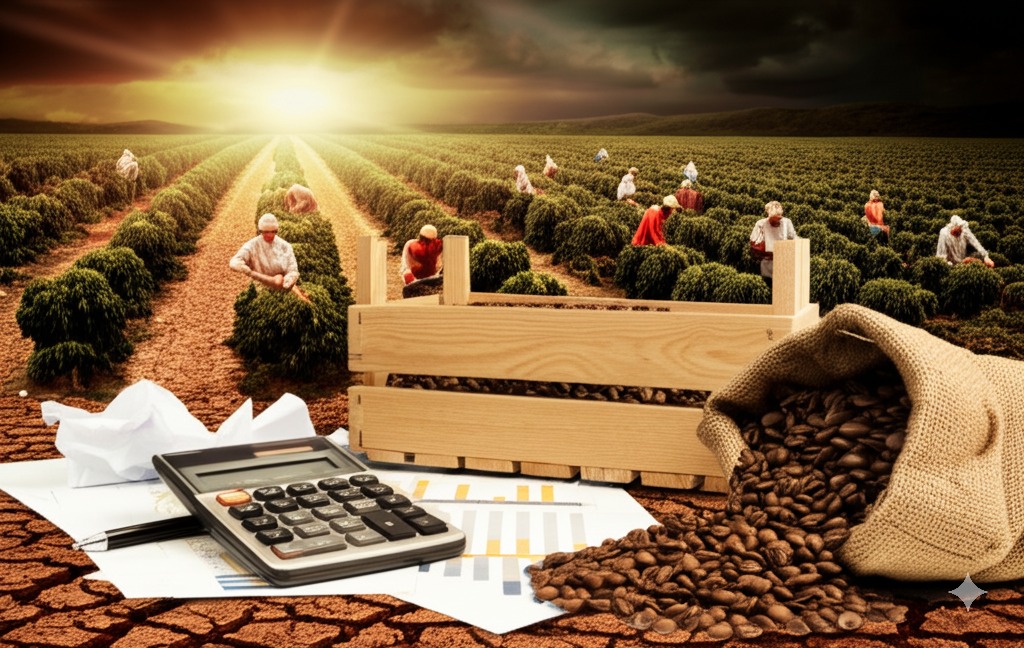
تعمل عدة عوامل معًا لدفع أسعار القهوة للارتفاع في الوقت الحالي. واحد رئيسي هو الطقس. وقد واجهت مناطق النمو الرئيسية، وخاصة في البرازيل (أكبر منتج في العالم)، جفافاً شديداً ودرجات حرارة مرتفعة. حدث هذا في أوقات حاسمة، مثل عندما كانت نباتات القهوة مزهرة، مما يؤثر بشكل مباشر على كمية الحبوب المنتجة. ببساطة، يتم حصاد كميات أقل من القهوة.
وفي الوقت نفسه، لم يتباطأ الطلب العالمي على القهوة حقًا. لا يزال الناس يريدون كوبهم اليومي. ومما زاد المشكلة، أن بعض الموردين وعدوا على ما يبدو بالمزيد من القهوة مما يمكنهم الاعتماد عليه، مما أدى إلى حدوث تدافع في السوق. ويُعَد هذا الخلل في التوازن بين العرض والطلب وصفة كلاسيكية لارتفاع الأسعار.
قطعة أخرى مهمة هي المخزون. وكانت مخزونات حبوب البن منخفضة بالفعل، ولم يساعد ضعف المحاصيل في إعادة بنائها. تشير التقارير الأخيرة إلى أن مستويات المخزون ضيقة للغاية، ربما حوالي 1.2 مليون كيس فقط للفترة 2024/25. عندما يكون هناك القليل جدًا من الإمدادات الاحتياطية، فإن أي انقطاع يكون له تأثير أكبر على السعر. وتتوقع شركة التوريد الوطنية البرازيلية (CONAB) انخفاضًا بنسبة 4.4٪ في إجمالي إنتاج القهوة في البلاد لعام 2025/2026، وستكون حبوب أرابيكا هي الأكثر تضرراً (بانخفاض 12.4٪). وتدعم هذه التوقعات أيضًا فكرة استمرار ارتفاع الأسعار.
What Are the World's Most Expensive Coffee Beans?
هل لديك فضول بشأن القهوة الفاخرة؟ على الرغم من أنه قد لا يكون للاستخدام اليومي، فإن معرفة النهاية العلوية تظهر قيمة القهوة. إنها أشياء رائعة!
بعض أنواع القهوة تجلب أسعارًا لا تصدق. يمكن أن تصل تكلفة جيشا بنما إلى أكثر من 10000 دولار للكيلوجرام في المزاد. يشتهر البعض الآخر مثل Black Ivory (معالج الفيل) وKopi Luwak (معالج الزباد) بالمعالجة الفريدة والتكلفة العالية.
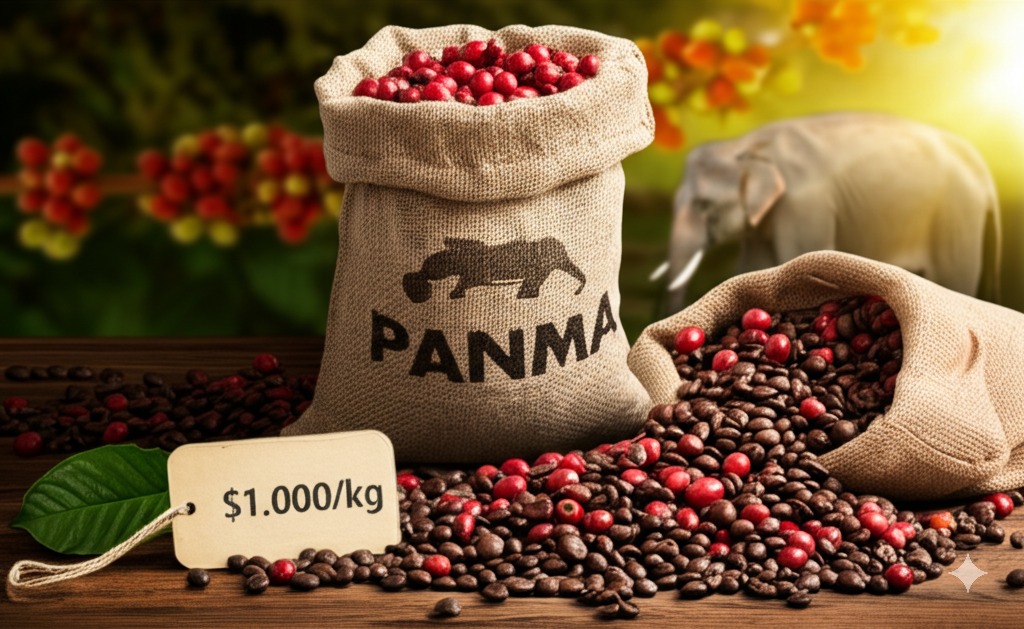
بينما يتعامل معظمنا مع درجات القهوة القياسية، هناك عالم آخر كامل من القهوة فائقة الجودة وباهظة الثمن بشكل لا يصدق. هذه ليست مشروباتك اليومية؛ فهي نادرة، وغالبًا ما تكون لها قصص فريدة، وتتطلب أسعارًا مذهلة. تأتي تكلفتها من الندرة الشديدة، وطرق المعالجة المعقدة وغير العادية في بعض الأحيان، وملامح النكهة الاستثنائية، وارتفاع الطلب من هواة الجمع والخبراء.
فيما يلي بعض الأمثلة التي تبرز حقًا:
| اسم القهوة | تقريبا. سعر | الميزة الرئيسية/ملاحظات النكهة |
|---|---|---|
| بنما الجيشا | Up to $10,005/kg (auction) | Highly sought after, known for floral, tea-like, tropical fruit notes |
| Black Ivory Coffee | Around $3,500/kg | Processed through elephants, unique smooth taste, notes of chocolate, fruit |
| Ospina Dynasty | Around $1,580/lb | Grown at high altitudes in Colombia by a historic family, complex flavor |
| Kopi Luwak (Wild) | Up to $1,300/kg | Processed through Asian palm civets, known for rich, smooth taste |
While my work at AFPAK focuses on efficient packaging machinery for more accessible coffees, seeing the prices and processes at this luxury end is always interesting. It shows the incredible value people place on unique coffee experiences. These beans represent the absolute peak of coffee cultivation and processing craftsmanship.
Will Coffee Prices Keep Rising in 2025?
Need to budget for next year? Predicting future costs is vital for business stability. Let's look at the forecasts for 2025.
Yes, signs point to continued high or rising prices into 2025. Brazil's expected lower harvest, very low current stock levels, and strong global demand suggest the upward pressure on prices will persist.
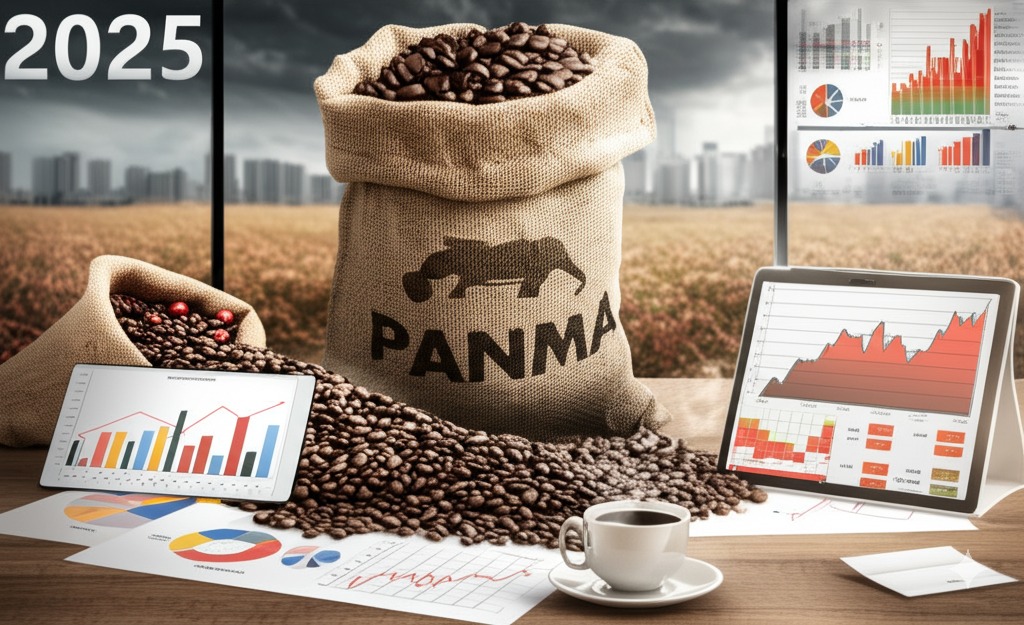
Looking ahead to 2025, the current information suggests that high coffee prices are likely to continue, and they might even rise further. Several key indicators point in this direction.
أولاً، لا يبدو أن وضع العرض سيتحسن بسرعة. كما ذكرنا سابقًا، تتوقع التوقعات الرسمية للبرازيل (CONAB) لمحصول 2025/26، والذي سيؤثر على العرض خلال عام 2025، انخفاضًا. وعلى وجه التحديد، يتوقعون انخفاضًا إجماليًا بنسبة 4.4%، مع انخفاض كبير بنسبة 12.4% في إنتاج أرابيكا. وبما أن البرازيل لاعب ضخم، فإن هذا النقص سيكون محسوساً على المستوى العالمي.
ثانيًا، مستويات المخزون الحالية منخفضة للغاية (حوالي 1.2 مليون كيس مقدر للفترة 2024/2025). ليس هناك الكثير من المخزون الاحتياطي لاستيعاب صدمات العرض أو تلبية الزيادات غير المتوقعة في الطلب.
Third, the market itself seems to be anticipating continued high prices. The fact that March 2025 futures contracts recently traded at $3.9833 per pound shows that professional buyers are locking in supplies at these elevated levels.
Fourth, the overall coffee market is still growing. Projections estimate the global market value reaching nearly $103 billion in 2025, with continued growth expected. Strong underlying demand combined with tight supply usually means prices stay high or go higher. Based on these factors, I'm advising my clients at AFPAK who package coffee products to budget cautiously for 2025.
What Is the Most Popular Coffee Bean Sold Worldwide?
Choosing the right coffee bean matters for product success. Knowing the market leader helps understand trends. Let's see which bean dominates.
Arabica is the most sold coffee bean globally, favored for its nuanced flavor. Although Robusta production is increasing slightly, Arabica still dominates the market despite recent production challenges in key regions like Brazil.
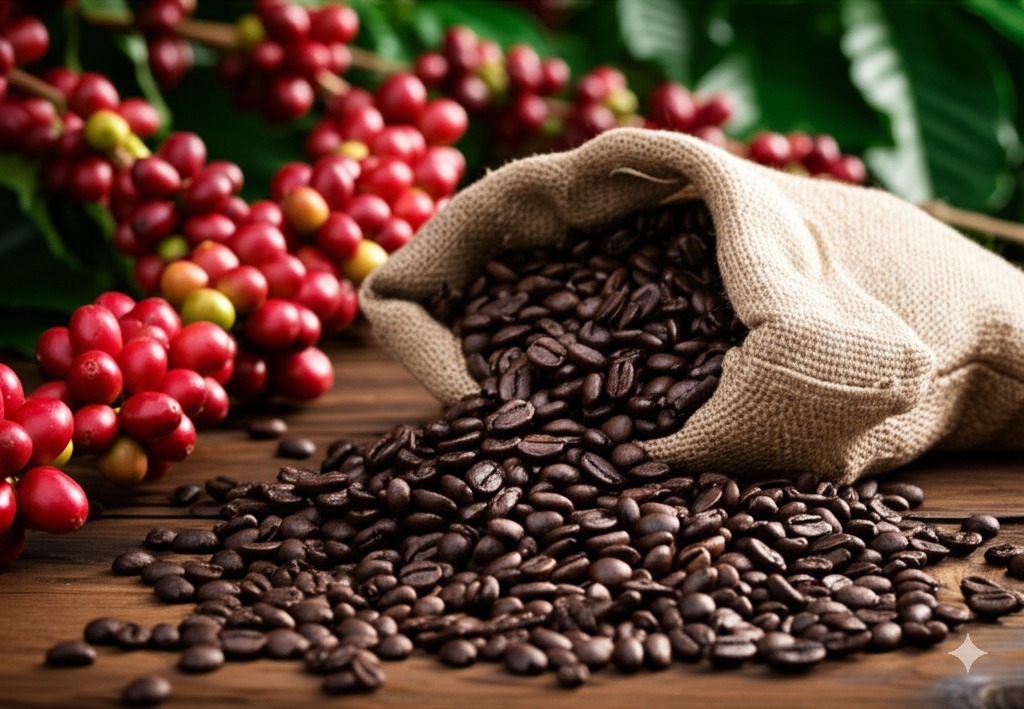
When you look at the global coffee market, one type of bean clearly stands out as the most popular: Arabica. It makes up the majority of the world's coffee consumption. Why? Primarily because of its taste. Arabica beans are known for their complex flavor profiles, aromatic qualities, and smoother taste compared to the other major type, Robusta.
Robusta beans play an important role too, though. They are generally hardier plants, easier to grow in hotter climates, and contain more caffeine. Their flavor is often described as bolder, stronger, and sometimes harsher or more bitter. Robusta is commonly used in espresso blends (for crema and kick) and in instant coffee. While forecasts suggest Robusta production might increase slightly, it's not enough to overtake Arabica's dominance or offset the projected drop in Arabica supply from key producers like Brazil (which grows about 29% of the world's coffee).
Here’s a simple comparison:
| ميزة | Arabica | Robusta |
|---|---|---|
| Market Share | Dominant (Majority) | Smaller, but significant |
| ملف تعريف النكهة | Smoother, aromatic, complex | Bolder, harsher, more bitter |
| Caffeine | Lower | Higher (roughly double) |
| Growing Needs | High altitude, specific climate | More adaptable, hotter climates |
| Common Use | Brewed coffee, specialty blends | Espresso blends, instant coffee |
Understanding the difference between these beans is important, even from my perspective in packaging machinery. The type of bean influences the grind, the density, the packaging requirements, and the target market for the final product. The current challenges in Arabica production are a major reason for the price pressures we're seeing across the coffee industry.
خاتمة
الارتفاع الكبير في أسعار حبوب البن الذي نشهده مؤخرًا؟ يرجع ذلك في الغالب إلى عدم التوافق الخطير بين العرض والطلب. فمن ناحية، أدى الطقس المجنون - مثل الجفاف وموجات الحر - إلى خفض إنتاج القهوة بشكل كبير، مما ترك لنا حبوبًا أقل بكثير من المعتاد. ومن ناحية أخرى، فإن جانب الطلب لا يتباطأ على الإطلاق، بل إنه في الواقع يزداد سوءًا! لقد أبرم الوسطاء وتجار القهوة عددًا كبيرًا من العقود، أكثر بكثير من المتوقع، مما يبقي الطلب مرتفعًا. لذلك، مع توفر كميات أقل من القهوة واستمرار المشترين في المطالبة بالمزيد، لن تنخفض الأسعار في أي وقت قريب.