
Lottando con l’aumento dei costi del caffè? Questa incertezza rende difficile la pianificazione per aziende come la tua. Vediamo quando le cose potrebbero stabilizzarsi.
Gli esperti prevedono che i prezzi elevati del caffè potrebbero persistere per almeno altri 8 mesi. Fattori chiave come il clima e la forte domanda continuano a spingere i costi verso l’alto, con i recenti prezzi dei futures che hanno toccato livelli preoccupanti. La stabilità non è prevista molto presto.

Comprendere la situazione attuale è fondamentale. Analizziamo i numeri e le ragioni dietro questi prezzi elevati, iniziando dal costo effettivo in questo momento. Continua a leggere per avere il quadro completo.
Quanto costano i chicchi di caffè in questo momento?
Vedi cartellini dei prezzi del caffè scioccanti? Interrompe i budget e rende complicate le previsioni. Servono numeri chiari per pianificare in modo efficace.
Gli attuali prezzi dei chicchi di caffè sono molto alti e cambiano spesso. Ad esempio, i futures di marzo 2025 hanno recentemente raggiunto i 3,9833 dollari per sterlina. I prezzi dipendono fortemente dal tipo di chicco, dalla qualità e dai cambiamenti del mercato globale.
Getting a single "price" per i chicchi di caffè è dura perché il mercato si muove costantemente. Consideratelo meno come un numero fisso e più come un intervallo che cambia ogni giorno. Un indicatore chiave che osserviamo è il mercato dei futures. Recentemente, il prezzo dei contratti con consegna nel marzo 2025 ha raggiunto il massimo di 3,9833 dollari per libbra. Ciò dimostra che gli acquirenti si aspettano che i prezzi rimangano elevati anche nel prossimo anno.
Naturalmente, il prezzo effettivo da pagare dipende da molte cose:
- Tipo di fagiolo: L'Arabica di solito costa più della Robusta.
- Qualità & Grado: I fagioli speciali con punteggi elevati richiedono prezzi premium.
- Origine: I fagioli di alcune regioni note per la qualità sono spesso più costosi.
- Volume di acquisto: L'acquisto di importi maggiori potrebbe farti ottenere una tariffa leggermente migliore.
- Condizioni di mercato: Le notizie quotidiane sulla domanda e sull’offerta causano fluttuazioni.
Nella mia esperienza con AFPAK, ho visto clienti sorpresi dalla rapidità con cui le quotazioni dei prezzi possono cambiare. Evidenzia quanto sia importante rimanere informati sulle tendenze del mercato quando si tratta di prodotti agricoli come il caffè.
Perché i chicchi di caffè sono attualmente così costosi?
Ti chiedi perché il tuo budget per il caffè è ridotto al minimo? Questi improvvisi aumenti dei costi danneggiano la redditività. Comprendere le cause ti aiuta a prepararti.
Il maltempo, soprattutto la siccità e il caldo durante la fioritura, hanno ridotto significativamente l'offerta. Allo stesso tempo, la domanda rimane forte e i fornitori si trovano ad affrontare pressioni. Anche gli attuali livelli di scorte molto bassi spingono i prezzi verso l’alto.
Diversi fattori stanno lavorando insieme per far salire i prezzi del caffè in questo momento. Uno dei principali è il meteo. Le principali regioni di coltivazione, in particolare il Brasile (il più grande produttore mondiale), hanno dovuto affrontare una grave siccità e temperature elevate. Ciò è accaduto in momenti cruciali, come quando le piante di caffè fiorivano, il che ha un impatto diretto sulla quantità di chicchi prodotti. In poche parole, viene raccolto meno caffè.
Allo stesso tempo, la domanda globale di caffè non è realmente rallentata. Le persone vogliono ancora la loro tazza quotidiana. In aggiunta al problema, alcuni fornitori apparentemente hanno promesso più caffè di quello che potevano ottenere in modo affidabile, creando una corsa nel mercato. Questo squilibrio tra domanda e offerta è una ricetta classica per prezzi più alti.
Un altro elemento critico è l'inventario. Le scorte di chicchi di caffè erano già basse e gli scarsi raccolti non hanno aiutato a ricostituirle. Rapporti recenti suggeriscono che i livelli delle scorte sono estremamente ridotti, forse intorno a soli 1,2 milioni di sacchi per il periodo 2024/25. Quando l'offerta di riserva è molto scarsa, qualsiasi interruzione ha un impatto maggiore sul prezzo. La società nazionale di fornitura brasiliana (CONAB) prevede un calo del 4,4% nella produzione totale di caffè del paese nel 2025/26, con i chicchi di Arabica colpiti più duramente (-12,4%). Questa previsione supporta ulteriormente l’idea di prezzi costantemente elevati.
Quali sono i chicchi di caffè più costosi al mondo?
Curioso del caffè di lusso? Anche se forse non per l'uso quotidiano, conoscere la fascia alta mostra il valore del caffè. È roba affascinante!
Some coffees fetch incredible prices. Panama Geisha can cost over $10,000/kg at auction. Others like Black Ivory (elephant processed) and Kopi Luwak (civet processed) are famous for unique processing and high cost.
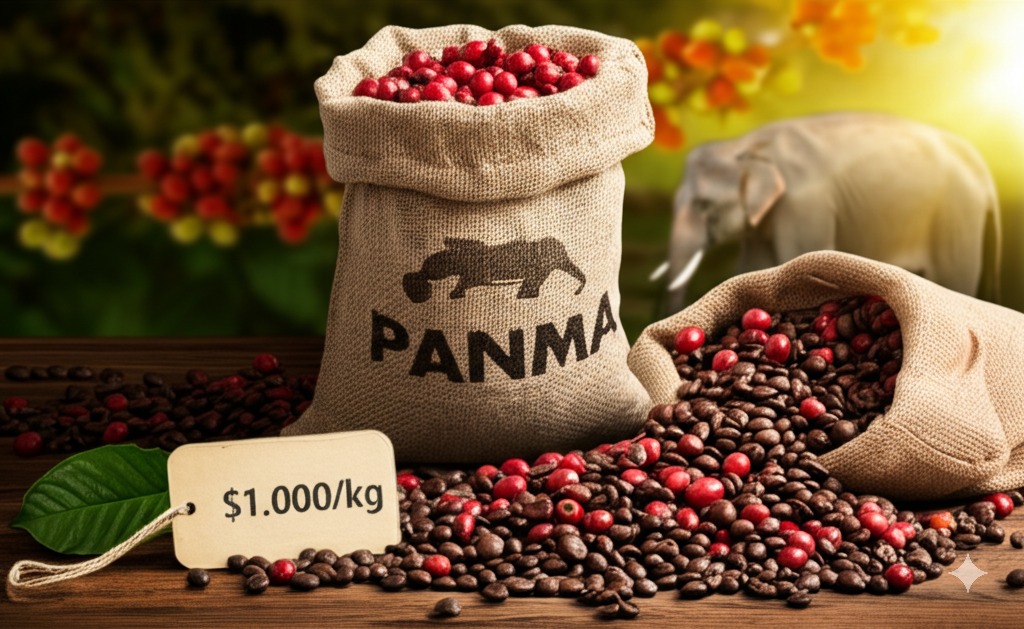
While most of us deal with standard coffee grades, there's a whole other world of ultra-premium, incredibly expensive coffees. These aren't your everyday brews; they are rare, often have unique stories, and command staggering prices. Their cost comes from extreme rarity, complex and sometimes unusual processing methods, exceptional flavor profiles, and high demand from collectors and connoisseurs.
Here are a few examples that really stand out:
| Coffee Name | Approx. Price | Key Feature/Flavor Notes |
|---|---|---|
| Panama Geisha | Up to $10,005/kg (auction) | Highly sought after, known for floral, tea-like, tropical fruit notes |
| Black Ivory Coffee | Around $3,500/kg | Processed through elephants, unique smooth taste, notes of chocolate, fruit |
| Ospina Dynasty | Around $1,580/lb | Grown at high altitudes in Colombia by a historic family, complex flavor |
| Kopi Luwak (Wild) | Up to $1,300/kg | Processed through Asian palm civets, known for rich, smooth taste |
While my work at AFPAK focuses on efficient packaging machinery for more accessible coffees, seeing the prices and processes at this luxury end is always interesting. It shows the incredible value people place on unique coffee experiences. These beans represent the absolute peak of coffee cultivation and processing craftsmanship.
I prezzi del caffè continueranno ad aumentare nel 2025?
Need to budget for next year? Predicting future costs is vital for business stability. Let's look at the forecasts for 2025.
Yes, signs point to continued high or rising prices into 2025. Brazil's expected lower harvest, very low current stock levels, and strong global demand suggest the upward pressure on prices will persist.
Looking ahead to 2025, the current information suggests that high coffee prices are likely to continue, and they might even rise further. Several key indicators point in this direction.
First, the supply situation doesn't look set to improve quickly. As mentioned, Brazil's official forecast (CONAB) for the 2025/26 harvest, which will impact supply during 2025, predicts a decrease. Specifically, they expect a 4.4% drop overall, with a significant 12.4% reduction in Arabica production. Since Brazil is such a huge player, this shortfall will be felt globally.
Second, existing inventory levels are critically low (around 1.2 million bags estimated for 2024/25). There just isn't much buffer stock to absorb supply shocks or meet unexpected demand spikes.
Third, the market itself seems to be anticipating continued high prices. The fact that March 2025 futures contracts recently traded at $3.9833 per pound shows that professional buyers are locking in supplies at these elevated levels.
Fourth, the overall coffee market is still growing. Projections estimate the global market value reaching nearly $103 billion in 2025, with continued growth expected. Strong underlying demand combined with tight supply usually means prices stay high or go higher. Based on these factors, I'm advising my clients at AFPAK who package coffee products to budget cautiously for 2025.
Qual è il chicco di caffè più venduto nel mondo?
Choosing the right coffee bean matters for product success. Knowing the market leader helps understand trends. Let's see which bean dominates.
Arabica is the most sold coffee bean globally, favored for its nuanced flavor. Although Robusta production is increasing slightly, Arabica still dominates the market despite recent production challenges in key regions like Brazil.
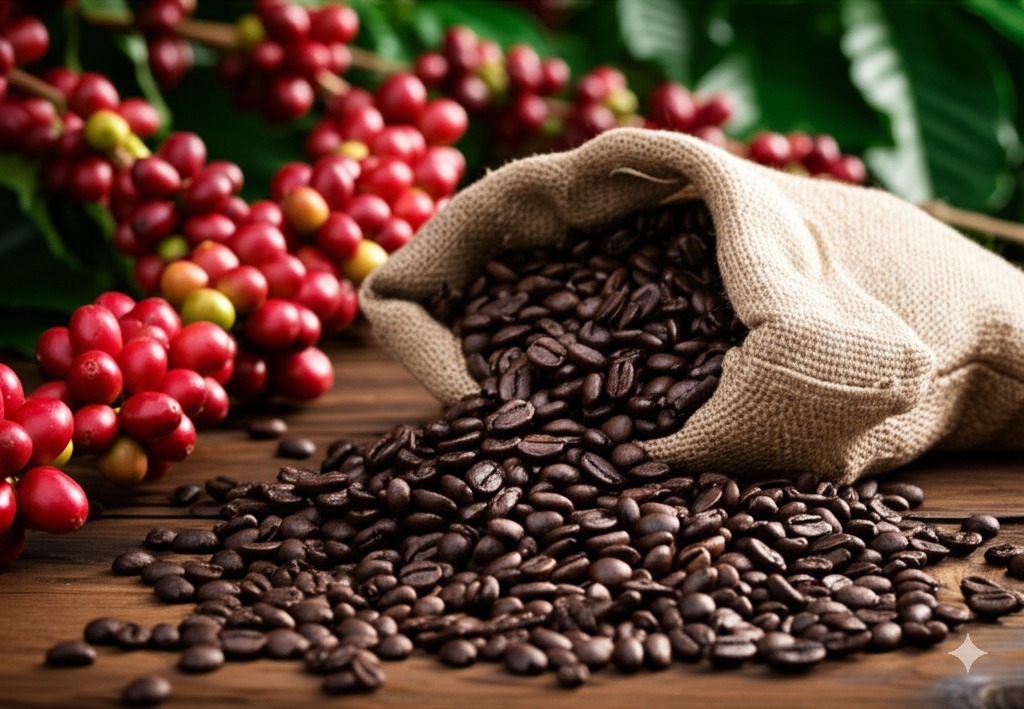
When you look at the global coffee market, one type of bean clearly stands out as the most popular: Arabica. It makes up the majority of the world's coffee consumption. Why? Primarily because of its taste. Arabica beans are known for their complex flavor profiles, aromatic qualities, and smoother taste compared to the other major type, Robusta.
Robusta beans play an important role too, though. They are generally hardier plants, easier to grow in hotter climates, and contain more caffeine. Their flavor is often described as bolder, stronger, and sometimes harsher or more bitter. Robusta is commonly used in espresso blends (for crema and kick) and in instant coffee. While forecasts suggest Robusta production might increase slightly, it's not enough to overtake Arabica's dominance or offset the projected drop in Arabica supply from key producers like Brazil (which grows about 29% of the world's coffee).
Here’s a simple comparison:
| Caratteristica | Arabica | Robusta |
|---|---|---|
| Market Share | Dominant (Majority) | Smaller, but significant |
| Profilo aromatico | Smoother, aromatic, complex | Bolder, harsher, more bitter |
| Caffeine | Inferiore | Higher (roughly double) |
| Growing Needs | High altitude, specific climate | More adaptable, hotter climates |
| Common Use | Brewed coffee, specialty blends | Espresso blends, instant coffee |
Understanding the difference between these beans is important, even from my perspective in packaging machinery. The type of bean influences the grind, the density, the packaging requirements, and the target market for the final product. The current challenges in Arabica production are a major reason for the price pressures we're seeing across the coffee industry.
Conclusione
The skyrocketing coffee bean prices we’re seeing lately? It’s mostly because of a serious mismatch between supply and demand. On one hand, crazy weather—like droughts and heatwaves—has slashed coffee production big time, leaving us with way fewer beans than usual. On the other hand, the demand side isn’t slowing down at all—in fact, it’s getting worse! Middlemen and coffee traders have locked in a ton of contracts, way more than expected, which keeps the demand sky-high. So, with less coffee to go around and buyers still clamoring for more, prices just won’t come down anytime soon.