
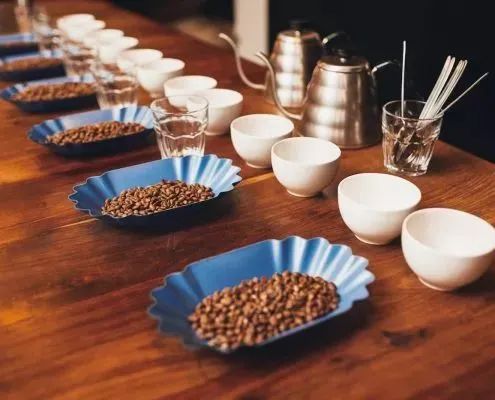
Nowadays, coffee shops often emphasize that they are "boutique coffee". And more than 90% of stores choose to use light to medium roast to interpret the flavor of raw coffee beans, why is this?
Fine coffee has many claims, but its core pursuit is only one thing - "terroir". Because of the demand for such an original and detailed flavor presentation, "light roast", a roast level has become popular.
In the light-medium roast degree, the coffee itself "terroir" is most easily expressed, bright and lively acidic fruit tones are mostly the flavor that this roast degree wants to present, with hand-pouring, siphoning, Aloha pressure, and other "black" coffee extraction methods, is the most in line with The third wave of the fine coffee core concept of the practice.
O café levemente torrado também contém mais ácido clorogênico. Muitos relatórios de pesquisa de café indicam que esse ingrediente tem o efeito de aumentar o colesterol HDL e proteger o fígado, retardar a aterosclerose e outros efeitos.
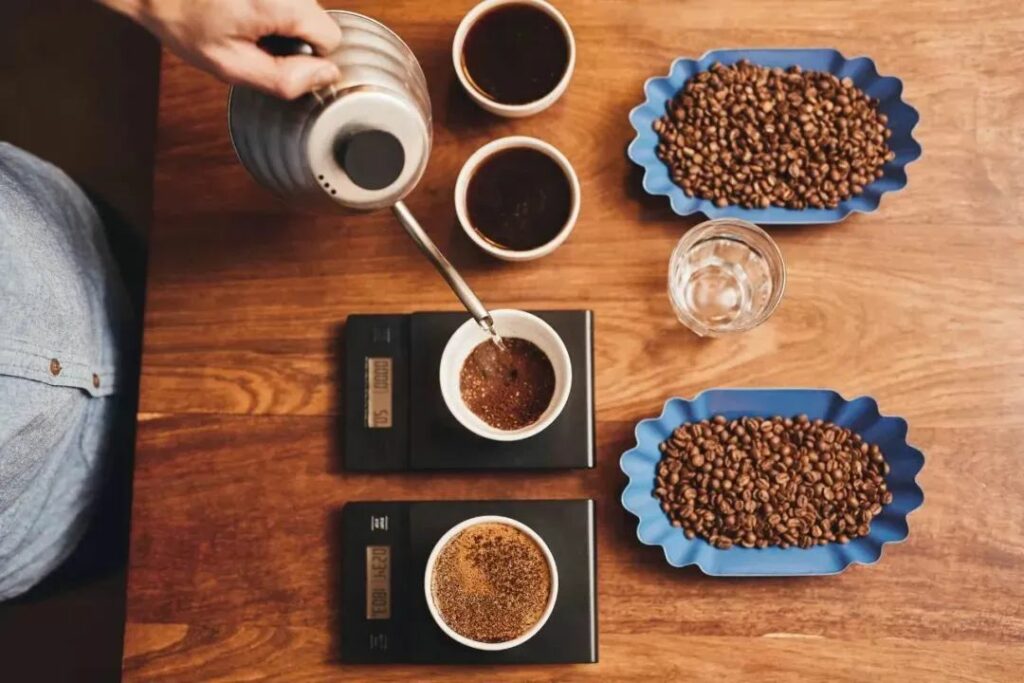
In terms of extraction, since the cell walls of light-roasted coffee are less damaged, we can use "violent" techniques in extraction, which is okay. That is fine grinding (fine sugar size), high water temperature (about 88 - 92 degrees), high water flow stirring (hand brewing pot height, shaking pot pressure, etc.), and high water to powder ratio (about 1:13.33 - 1:16.67).
Of course, this is a rather general statement. Because everyone's preferred flavor is different, of course, the right approach is different for each person.
Light roasting is so popular in the domestic coffee world that many enthusiasts may shake their heads and sigh when they see dark roasted coffee: "herbal". They even think that "only poorer beans use deep roasting techniques to disguise unpleasant flavors" and that "deep-roasted beans are unhealthy for the human body." ……
Na verdade, essa ideia está errada, o café fino não é capaz de torrar profundamente. Por exemplo, por que Manteanin e Kenya AA tendem a ter uma torra mais profunda no passado?
A principal razão é a origem e o método de processamento, fazendo com que esses dois grãos tenham forte acidez, enquanto a torra profunda desempenha um grande papel em retardar a estimulação da acidez na língua humana, tornando-a doce e suave.
We mostly think of dark roast as burnt and smoky, mainly because the way we handle dark roast is "high heat and quick fry", while Japanese roast insists on "low heat and slow roast". So in the same deep roast, the Japanese method is relatively easy to leave more of the sweetness and fullness of the coffee.
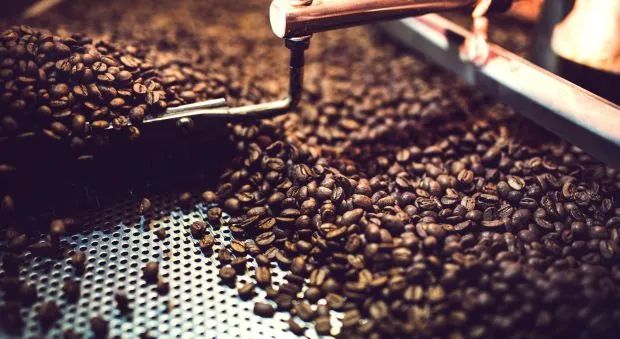
So, is it true that darker roasts don't use good beans because they all taste the same when baked anyway?
Of course not! If you've ever had the pleasure of drinking a very dark roast of a boutique grade coffee bean in an old Japanese tea store, versus a very dark roast of an unusual batch of coffee beans, you'll notice a significant difference in the sweetness, aroma, and layers between the two.
It is definitely not the case that any roaster or any raw bean will taste the same - it depends on the roaster's skill and the quality of the raw beans.
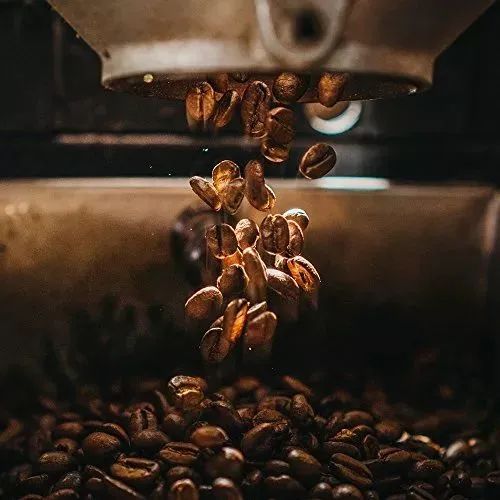
Dark-roasted beans are definitely not unhealthy either. As long as the beans are "properly and skillfully" dark roasted, the effects of coking substances on the human body can be largely avoided. Dark roasted coffee beans also degrade fenugreek, producing more nicotinic acid (commonly known as vitamin B3), which is also a beneficial ingredient for the body.
Unlike lighter roasts, darker roasts provide the aroma and sweetness from the relatively large molecules of "brown pigment" and therefore require a relatively longer extraction time. But also because of the ease of extraction, it is necessary to "minimize disturbance", in other words, "treat the coffee powder as gently as possible", and fill the water slowly in order to achieve these requirements at the same time.
Finally, don't make the mistake of roasting a dark roast coffee just right!
Se você tem uma opinião diferente sobre este artigo, sinta-se à vontade para deixar um comentário.
Sobre AFPAK
A AFPAK pesquisa projetos e fabrica máquinas e equipamentos de embalagem para enchimento de cápsulas de café. Por mais de 12 anos, AFPAK expandiu para mais de três fábricas que lidam com enchimento de cápsulas de café, embalagem de cápsulas de café e cápsulas vazias, entre outros.
Contato de mídia:
Pessoa de contato: Jeff Fang (gerente geral)
E-mail:info@afpak.co
Telefone: +86-1561-8866-167
Sites: https://afpakmachine.com/ https://www.nespressofilling.com/ https://www.kcupfilling.com/