
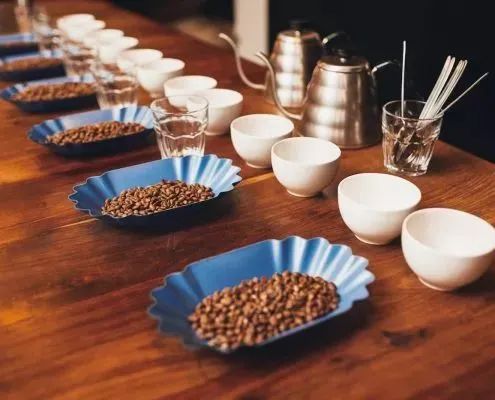
Nowadays, coffee shops often emphasize that they are "boutique coffee". And more than 90% of stores choose to use light to medium roast to interpret the flavor of raw coffee beans, why is this?
Fine coffee has many claims, but its core pursuit is only one thing - "terroir". Because of the demand for such an original and detailed flavor presentation, "light roast", a roast level has become popular.
In the light-medium roast degree, the coffee itself "terroir" is most easily expressed, bright and lively acidic fruit tones are mostly the flavor that this roast degree wants to present, with hand-pouring, siphoning, Aloha pressure, and other "black" coffee extraction methods, is the most in line with The third wave of the fine coffee core concept of the practice.
Cà phê rang nhẹ cũng chứa nhiều axit chlorogenic hơn. Nhiều báo cáo nghiên cứu về cà phê chỉ ra rằng thành phần này có tác dụng tăng cholesterol HDL, bảo vệ gan, làm chậm quá trình xơ vữa động mạch và các tác dụng khác, với sự gia tăng của chế độ ăn uống tự nhiên trong những năm gần đây, cà phê đen càng tốt.
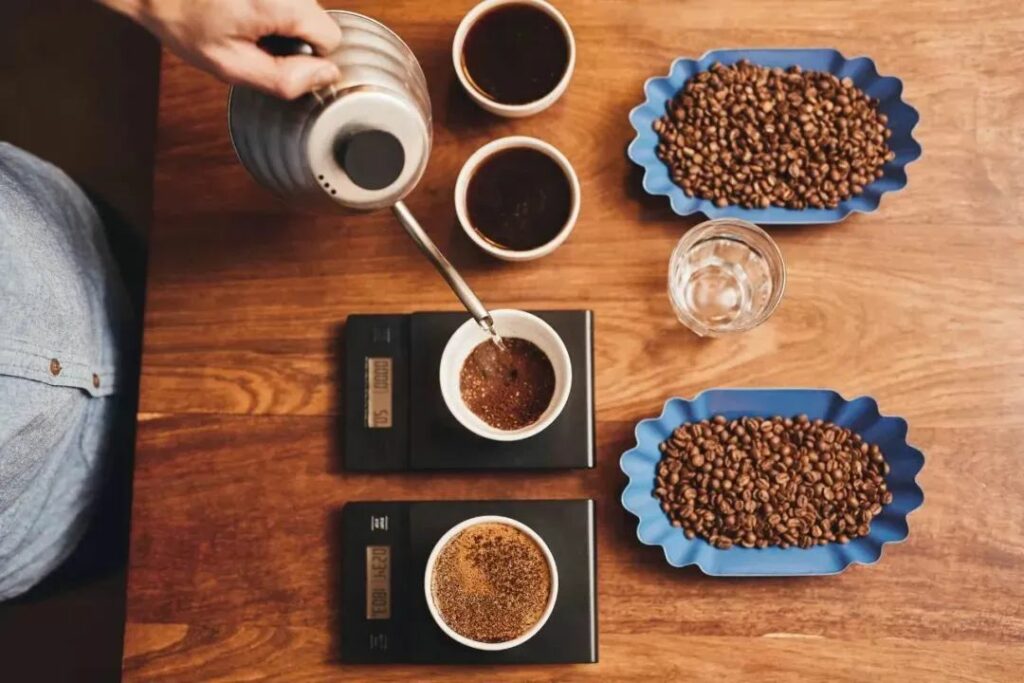
In terms of extraction, since the cell walls of light-roasted coffee are less damaged, we can use "violent" techniques in extraction, which is okay. That is fine grinding (fine sugar size), high water temperature (about 88 - 92 degrees), high water flow stirring (hand brewing pot height, shaking pot pressure, etc.), and high water to powder ratio (about 1:13.33 - 1:16.67).
Of course, this is a rather general statement. Because everyone's preferred flavor is different, of course, the right approach is different for each person.
Light roasting is so popular in the domestic coffee world that many enthusiasts may shake their heads and sigh when they see dark roasted coffee: "herbal". They even think that "only poorer beans use deep roasting techniques to disguise unpleasant flavors" and that "deep-roasted beans are unhealthy for the human body." ……
Trên thực tế, một ý tưởng như vậy là sai, cà phê ngon không phải là không thể rang kỹ. Ví dụ, tại sao trước đây Manteanin và Kenya AA có xu hướng rang đậm hơn?
Nguyên nhân chính là do nguồn gốc và cách chế biến khiến hai loại đậu này có độ chua mạnh, trong khi rang kỹ có vai trò rất lớn trong việc làm chậm lại sự kích thích của chất chua trên đầu lưỡi con người, biến nó thành một công thức ngọt ngào và êm dịu.
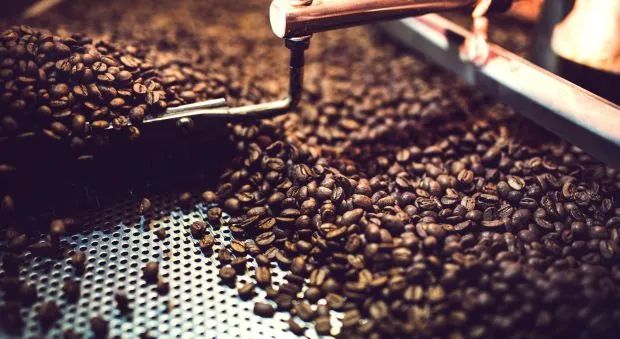
We mostly think of dark roast as burnt and smoky, mainly because the way we handle dark roast is "high heat and quick fry", while Japanese roast insists on "low heat and slow roast". So in the same deep roast, the Japanese method is relatively easy to leave more of the sweetness and fullness of the coffee.
So, is it true that darker roasts don't use good beans because they all taste the same when baked anyway?
Of course not! If you've ever had the pleasure of drinking a very dark roast of a boutique grade coffee bean in an old Japanese tea store, versus a very dark roast of an unusual batch of coffee beans, you'll notice a significant difference in the sweetness, aroma, and layers between the two.
It is definitely not the case that any roaster or any raw bean will taste the same - it depends on the roaster's skill and the quality of the raw beans.
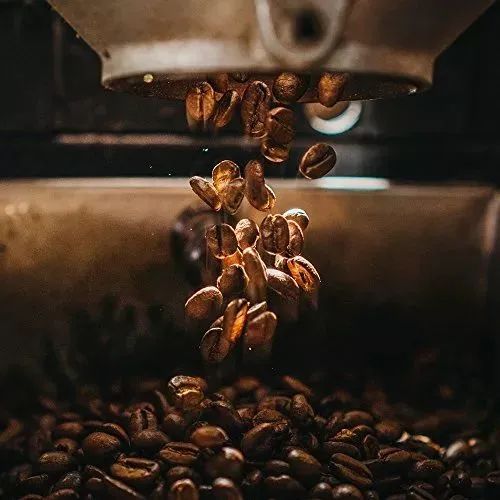
Dark-roasted beans are definitely not unhealthy either. As long as the beans are "properly and skillfully" dark roasted, the effects of coking substances on the human body can be largely avoided. Dark roasted coffee beans also degrade fenugreek, producing more nicotinic acid (commonly known as vitamin B3), which is also a beneficial ingredient for the body.
Unlike lighter roasts, darker roasts provide the aroma and sweetness from the relatively large molecules of "brown pigment" and therefore require a relatively longer extraction time. But also because of the ease of extraction, it is necessary to "minimize disturbance", in other words, "treat the coffee powder as gently as possible", and fill the water slowly in order to achieve these requirements at the same time.
Finally, don't make the mistake of roasting a dark roast coffee just right!
Nếu bạn có ý kiến khác về bài viết này, xin vui lòng để lại nhận xét.
Về AFPAK
AFPAK nghiên cứu thiết kế, chế tạo máy móc, thiết bị đóng gói cà phê capsule. Trong hơn 12 năm, AFPAK đã mở rộng đến hơn ba nhà máy kinh doanh cà phê viên nang, cà phê đóng gói viên nang và viên nang rỗng, cùng những nhà máy khác.
Liên hệ qua phương tiện truyền thông:
Người liên hệ: Jeff Fang (Tổng giám đốc)
E-mail:thông tin@afpak.co
Điện thoại: +86-1561-8866-167
Trang web: https://afpakmachine.com/ https://www.nespressofilling.com/ https://www.kcupfilling.com/